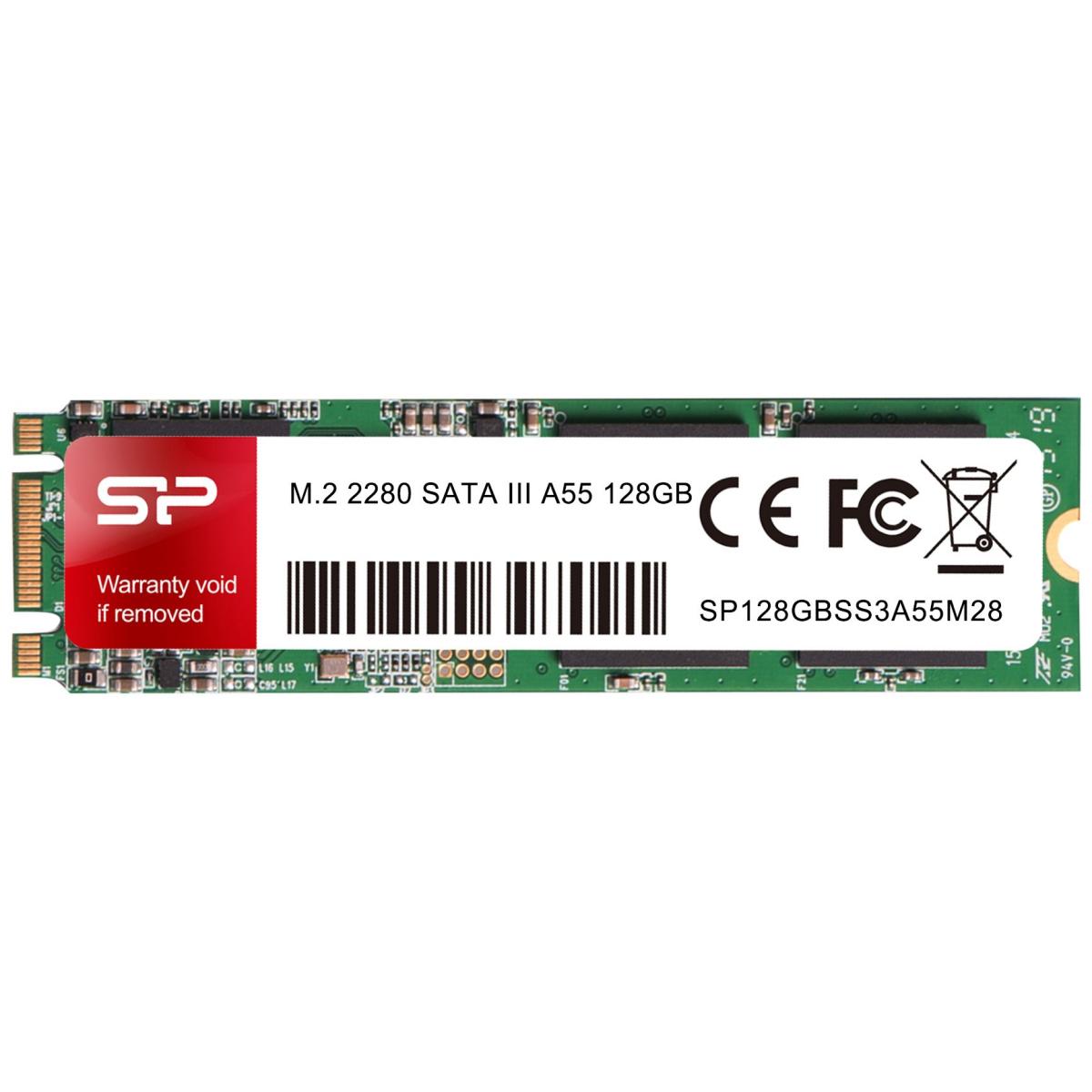
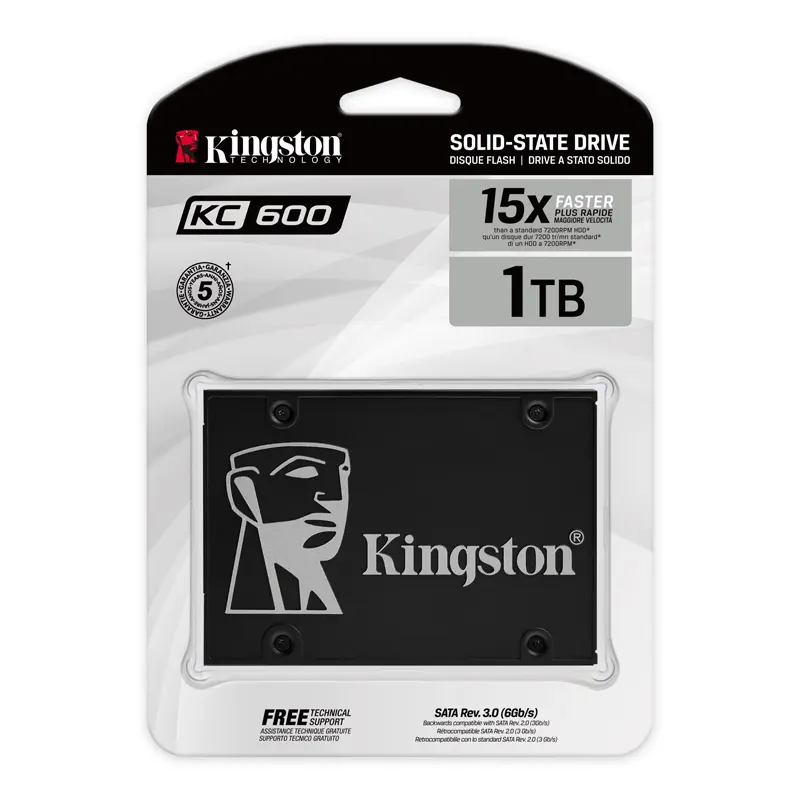
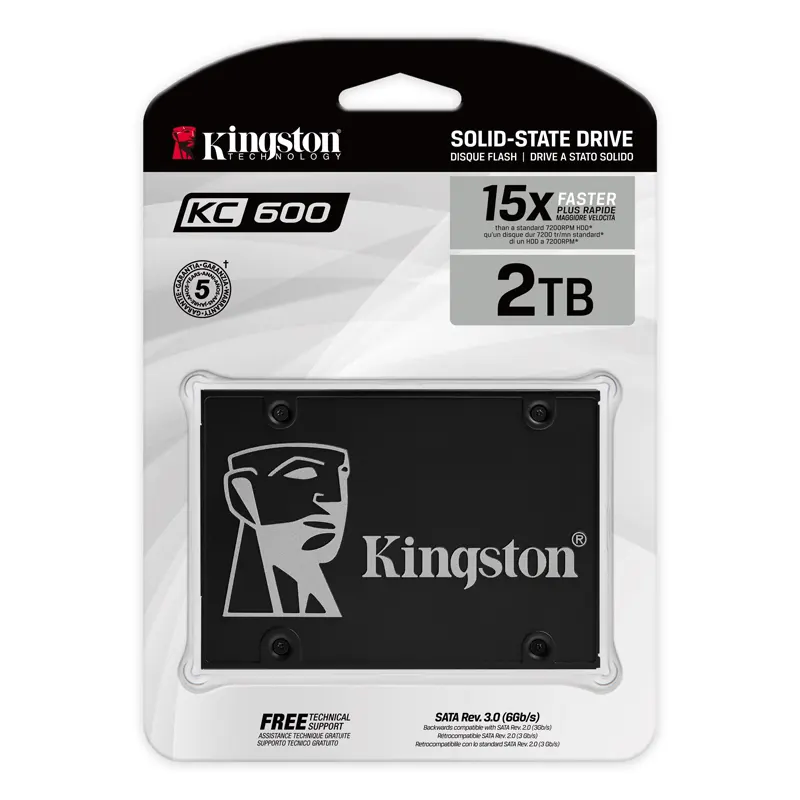
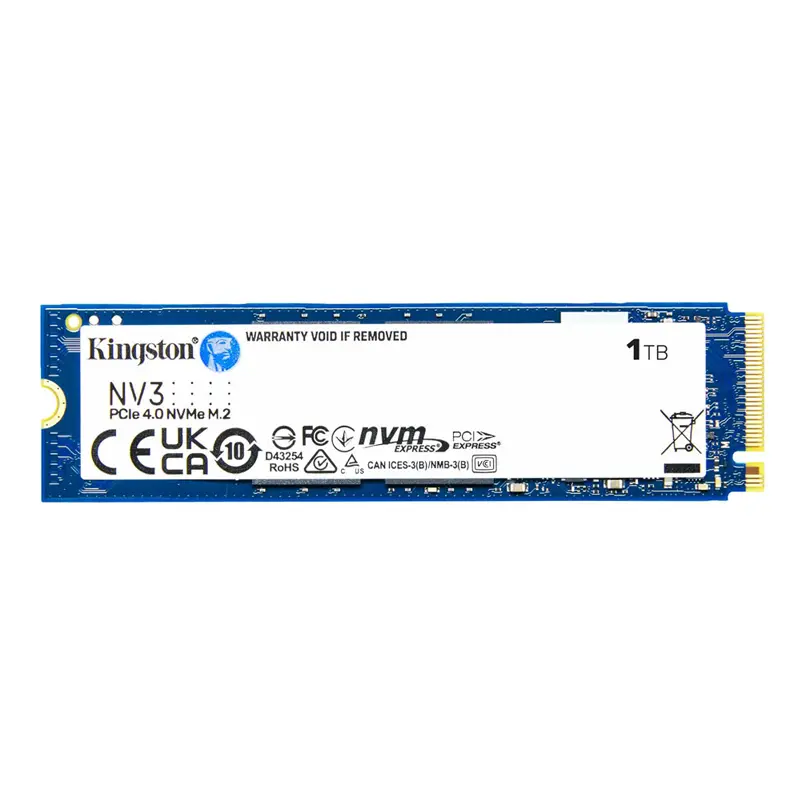
Kingston 1.92GB DC600M Series 2.5” SATA Enterprise SSD [ SEDC600M/1920G ]
$55.95
$71.06
Kingston DC600M SSD 1.92GB SSD Kingston 1.92GB DC600M Series 2.5” SATA Enterprise SSD [ SEDC600M/1920G ] Designed for data center environments On-board Power Loss Protection (PLP) Consistent latency and IOPS, reliable QoS Includes Acronis cloning software Up to 560MB/s read, 470MB/s write Full Description of SEDC600M/1920G Kingston’s DC600M SSD Series provides high-performance storage solutions for data centers, system integrators and more. Delivering consistent latency and reliability, the drives were designed for mixed-use workloads, featuring 3D TLC NAND, hardware-based power loss protection and capacities of up to 7.68TB, making them ideal for enterprise applications. For additional security, DC600ME is available with AES 256-bit encryption and supports TCG OPAL 2.0 security standards. Key features of Kingston DC600M Designed for data center environments Optimised to meet the high demands of server RAID applications with low latency and IO consistency as the key design criteria. Hardware-based PLP Power loss capacitors to protect user data against unexpected power loss and enhance performance. Delivers excellent quality of service (QoS)7 Optimised performance predictability to meet service-level agreements (SLAs). AES 256-bit encryption with DC600ME Protect sensitive data with support for AES 256-bit hardware-based encryption and TCG Opal 2.0 security standards with DC600ME. Kingston DC600M SSD Capacities of up to 7.68TB Upgrade and manage storage with capacities of up to 7.68TB.1 Ask a Server SSD Expert Planning the right solution requires an understanding of your project’s security goals. Let Kingston’s experts guide you. Ask an Expert Specifications of Kingston DC600M 1.92TB SSD Form factor 2.5 inch Interface SATA Rev. 3.0 (6Gb/s) – with backwards compatibility to SATA Rev. 2.0 (3Gb/s) Capacities 480GB, 960GB, 1.92TB, 3.84TB, 7.68TB NAND 3D TLC DRAM Cache Yes Sequential read/write 480GB – 560MBs/470MBs 960GB – 560MBs/530MBs 1.92TB – 560MBs/530MBs 3.84TB – 560MBs/530MBs 7.68TB – 560MBs/530MBs Steady-state 4k random read/write 480GB – 94,000/41,000 IOPS 960GB – 94,000/65,000 IOPS 1.92TB – 94,000/78,000 IOPS 3.84TB – 94,000/59,000 IOPS 7.68TB – 94,000/34,000 IOPS Quality of service (latency)2,3,4(99.999) Read/Write 480GB – 180/110 uSec 960GB – 3.84TB – 200/300 uSec 7.68TB – 240/170 uSec Typical latency – read/write <200 µs / <30 us2,3,4 Hot-plug capable Static and dynamic wear levelling Enterprise SMART tools Reliability tracking, usage statistics, life remaining, wear levelling, temperature Hardware-based power loss protection Yes Endurance (TBW) 5 480GB – 876TBW, 1 DWPD (5 years), 1.66 DWPD (3 years) 960GB – 1752TBW, 1 DWPD (5 years), 1.66 DWPD (3 years) 1.92TB – 3504TBW, 1 DWPD (5 years), 1.66 DWPD (3 years) 3.84TB – 7008TBW, 1 DWPD (5 years), 1.66 DWPD (3 years) 7.68TB – 14016TBW, 1 DWPD (5 years), 1.66 DWPD (3 years) Power consumption Idle: 1.30W Average: 1.45W Max read: 1.6W Max write: 3.6W Storage temperature -40℃ ~ 85℃ Operating temperature 0℃ ~ 70℃ Dimensions 69.9mm x 100mm x 7mm Weight 92.34g Vibration operating 2.17G Peak (7–800Hz) Vibration non-operating 20G peak (10–2000Hz) MTBF 2 million hours UBER ≤10 -17 Warranty 1-year warranty For More Info. Click Here For More Kingston Product – Amman Jordan – PC Circle Click Here 1. Some of the listed capacity on a Flash storage device is used for formatting and other functions and thus is not available for data storage. As such, the actual available capacity for data storage is less than what is listed on the products. For more information, go to Kingston’s Flash Memory Guide. 2. Measurement taken once the workload has reached steady state but including all background activities required for normal operation and data reliability. 3. Based on 1920GB capacity. 4. Workload based on FIO, random aligned 4KB QD=1 workload. Quality of service is measured as the time taken for 99.999 percentile of commands to finish the round trip from host to drive and to host. Typical latency is measured as the time taken for 99.9 percentile of commands to finish the round trip from host to drive and to host. 5. Total Bytes Written (TBW) and Drives Writes Per Day (DWPD) derived from the JEDEC Enterprise Workload (JESD219A). 7. Quality of service (QoS) of an SSD refers to the consistency and predictability of latency (response time) and IOPS (IOs per second) performance while servicing a read/write workload. QoS metrics demonstrate that, given a worst-case workload tested over a period of time, an SSD’s latency and IOPS profiles stay within a specified range without having unexpected outliers that cause a sudden drop in application performance.
Solid State Drive (Ssd)